Exploring Nano Banana: A Fresh Approach to AI Image Generation
I have spent the better part of a decade watching image synthesis tools evolve from academic curiosities into everyday creative partners. Early on, getting a neural network to produce something that looked like a cat required hours of parameter tweaking and a fair amount of luck. These days, platforms like DALL-E, Midjourney, and Stable Diffusion have made text-to-image generation almost casual. Yet even with all that progress, I keep returning to a quieter tool that does something slightly different: nano banana.
Nano banana is not another attempt to out-benchmark the giants. It is a focused AI image generator that helps people turn rough ideas into visual content through guided prompts and model selection. The difference is subtle but real. Instead of throwing a prompt into a black box and hoping for the best, nano banana encourages you to think about which underlying model fits the task. That small shift in workflow changes how you approach prompt engineering and, ultimately, the quality of the output.
Why Model Selection Matters More Than You Think
When you use a tool like DALL-E or Midjourney, you are locked into one diffusion model. That model has a certain latent space, a certain bias toward photorealism or illustration, and a certain range of styles it handles well. If your idea sits outside that range, you fight the tool. With nano banana, you can pick among multiple backends, including Stable Diffusion, Leonardo.ai, and even VQGAN-based pipelines. That flexibility is not just a power user feature. It changes the creative process from the ground up.
I remember a project where I needed to generate product mockups for a client who wanted a whimsical, hand-drawn look. Midjourney gave me beautiful images, but they all had that glossy, cinematic finish. Switching to a Stable Diffusion checkpoint trained on illustration data made the difference. That kind of choice is exactly what nano banana facilitates. You are not locked into one interpretation. You can match the image synthesis engine to the aesthetic you need.
Prompt Engineering in Practice
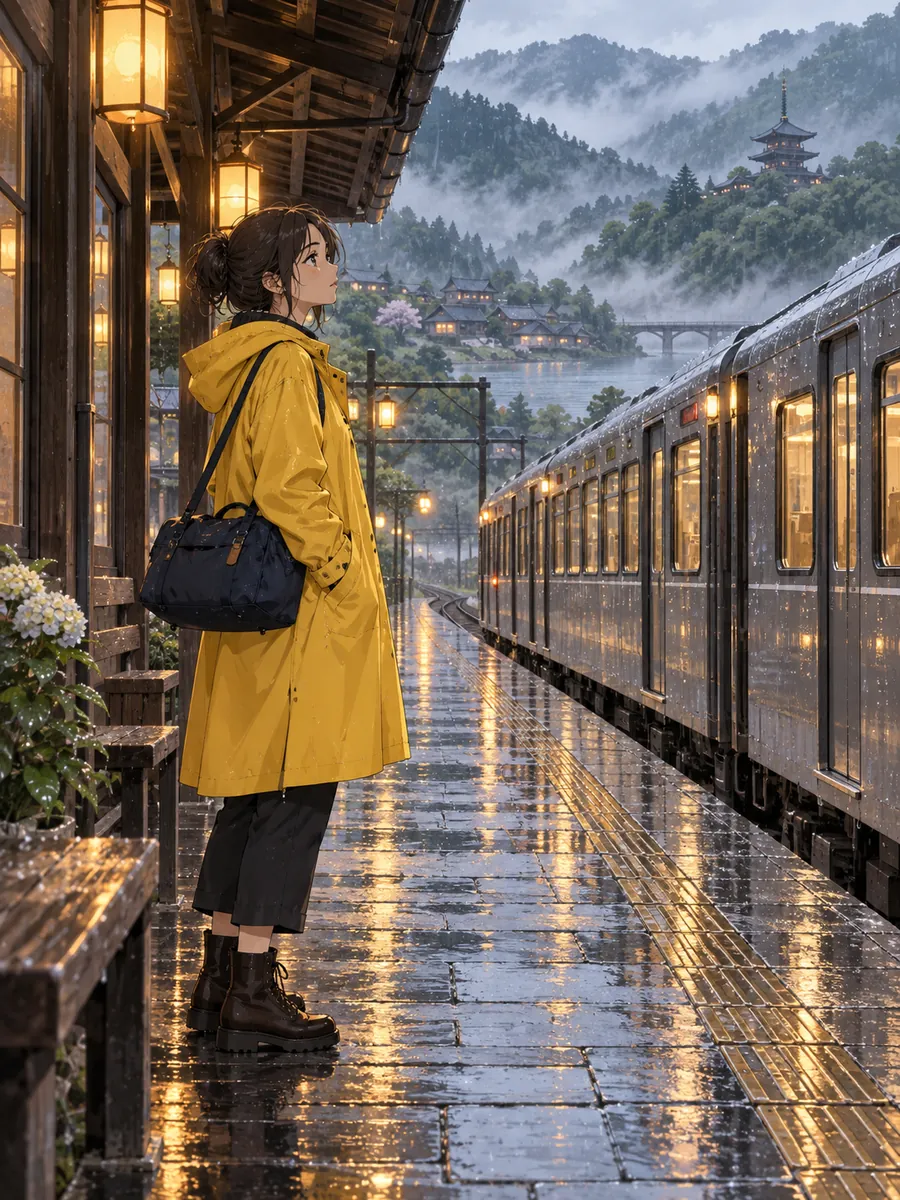
Prompt engineering is often described as a mysterious art, but in reality it is a set of repeatable techniques. You learn to describe subjects, lighting, composition, and medium in specific language. The same prompt can produce wildly different results depending on the CLIP model used to encode it and the diffusion model that decodes it. Nano banana makes that relationship visible. When you switch from a standard Stable Diffusion model to one fine-tuned on anime, the same prompt yields a completely different latent space traversal. That feedback loop teaches you something about how neural networks represent visual concepts.
I have found that starting with a very short prompt, generating a batch, and then iterating with more descriptive terms works better than trying to craft the perfect prompt upfront. For example, instead of writing "a serene landscape with mountains and a lake at sunset, digital art, soft lighting," I start with "landscape sunset mountains lake" and see what the model does. Then I refine. Nano banana's interface supports that kind of iterative prompt engineering without getting in the way.
Trade-Offs Between Speed and Quality
No AI image generator is perfect. There are always trade-offs. DALL-E produces remarkably coherent images with strong composition, but it is slow and expensive at scale. Midjourney excels at artistic interpretation but can be unpredictable with specific objects. Stable Diffusion is fast and open, but you have to manage checkpoints and VAE files yourself. Nano banana sits in the middle. It gives you access to multiple diffusion models and lets you choose between speed and quality on a per-task basis.
If I need a quick visual reference for a client call, I will use a lighter model that generates in a few seconds. For a final presentation asset, I switch to a higher-resolution pipeline with more sampling steps. That kind of control is rare in consumer tools. Canva, for instance, has integrated text-to-image generation, but you cannot choose the underlying model. Adobe Firefly offers style presets but does not expose the model selection. Nano banana's approach is closer to what you would expect from a professional AIGC tool. It treats the user as a collaborator, not just a consumer.
Real-World Use Cases Beyond Social Media
A lot of the buzz around AI art focuses on social media content. That is fine, but the technology has deeper applications. I have used nano banana to generate concept art for a short film, to visualize architectural interiors for a renovation project, and to create reference images for a fashion designer who works with style transfer techniques. In each case, the ability to switch between models meant I could match the visual language of the project without starting from scratch every time.
One specific example: a friend who runs a small game studio needed character designs for a fantasy RPG. They had detailed descriptions but no budget for a human illustrator. We used nano banana with a model fine-tuned on fantasy art. The first pass was rough, but after a few rounds of prompt refinement and model swapping, we had a set of concept sketches that the team could use as a base. That would have taken days with traditional methods. With nano banana, it took an afternoon.
The Role of GANs and Diffusion Models
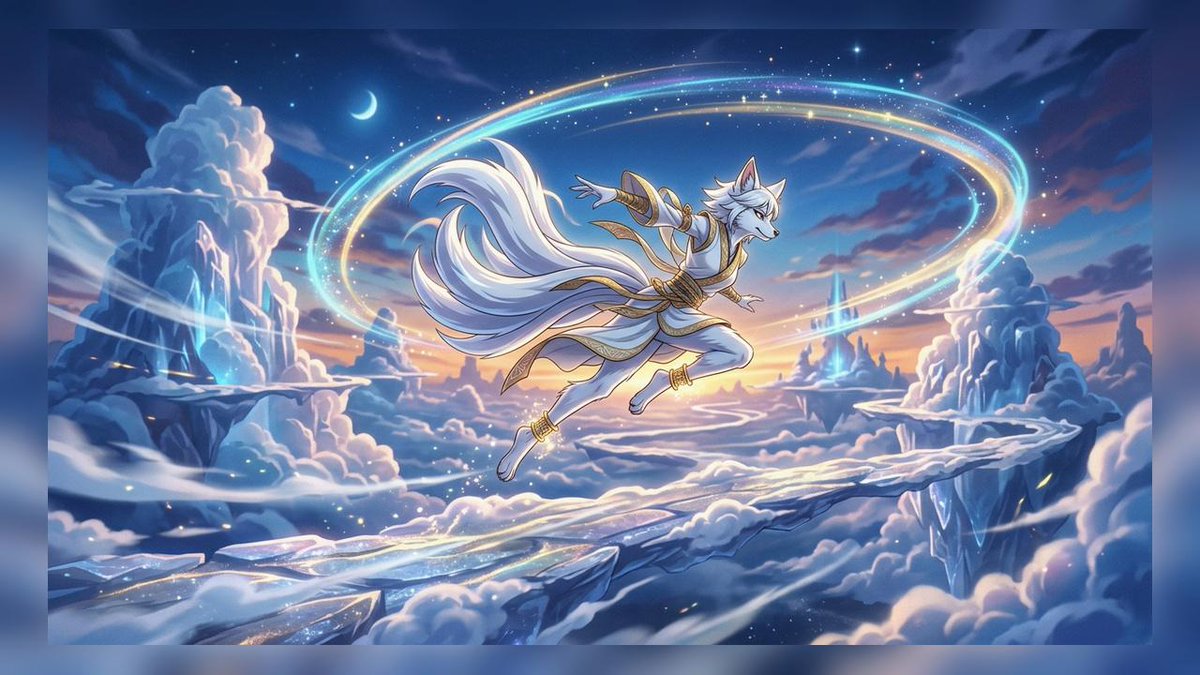
It is worth remembering that not all image synthesis relies on diffusion models. Generative adversarial networks, or GANs, still have a place, especially for tasks like style transfer and real-time video processing. Runway ML, for example, uses GANs for some of its effects. But diffusion models have largely taken over because they produce more stable and diverse outputs. Nano banana leans on diffusion models, but it also supports VQGAN-based pipelines for users who want that specific aesthetic. That kind of variety is important because no single architecture handles every use case well.
The latent space of a diffusion model determines how concepts are organized internally. CLIP helps bridge text and image modalities, but the mapping is never perfect. That is why the same prompt can produce a photorealistic result in one model and a painterly one in another. Understanding that helps you write better prompts and choose the right tool for the job.
What Nano Banana Gets Right
After using nano banana for several months, I can point to a few things that set it apart. First, the model selection is not buried in a settings menu. It is front and center, which encourages experimentation. Second, the prompt interface is clean and does not clutter the creative process with unnecessary options. Third, the community around it shares model configurations and prompt templates, which helps newcomers learn prompt engineering faster.
That last point is more important than it sounds. The AI art community has grown enormously thanks to platforms like Leonardo.ai and Civitai, but nano banana's approach feels more curated. You are not overwhelmed by thousands of models. You have a hand-picked set that covers most creative needs. That is a deliberate design choice, and it works.
Where It Could Improve
No tool is perfect. Nano banana could benefit from better batch processing and more direct integration with external editors like Photoshop or Canva. Right now, you generate images and then export them manually. That is fine for solo work but slows down team workflows. Also, the documentation around model differences could be clearer. New users often do not know why they would choose one diffusion model over another. A brief explanation of each model's strengths would go a long way.
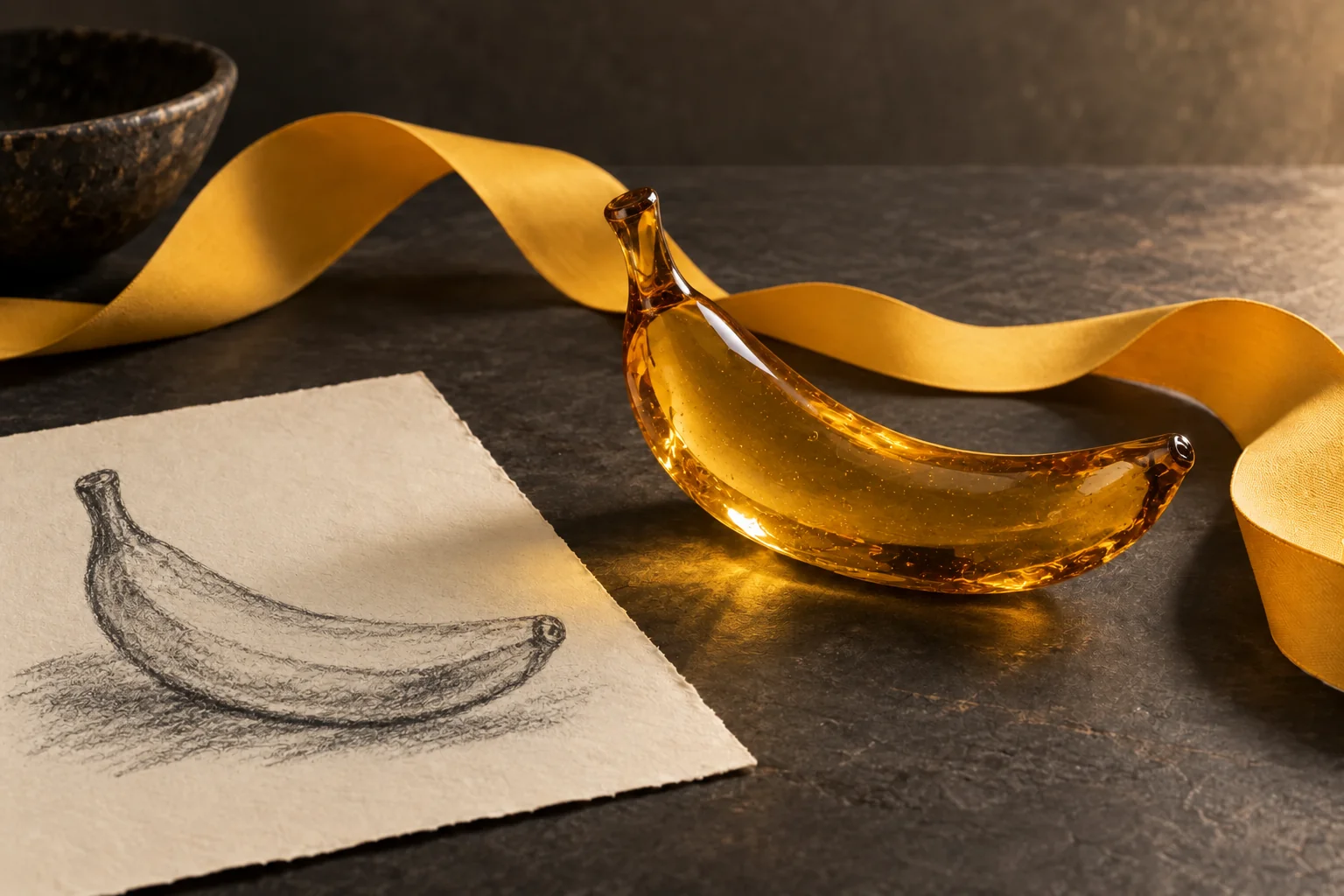
I would also like to see more support for negative prompts and image-to-image workflows. Those features exist in the underlying models but are not always exposed in the interface. Adding them would make nano banana even more useful for professional users who need precise control over the output.
Final Thoughts
Nano banana occupies a narrow but valuable niche. It is not trying to beat Midjourney or DALL-E at their own game. Instead, it gives you the tools to choose the right game for each project. That is a mature perspective in a field that often chases hype. If you are serious about AI image generation and want to understand how model selection, prompt engineering, and latent space interact, nano banana is worth your time. It will not replace your entire workflow, but it will make you a more informed and effective user of the technology.